
Unlock Wellness With Targeted Peptide Therapy
Struggling with persistent fatigue, stubborn recovery times, or a decline in skin vitality leaves you feeling less than your best. Wellness peptides offer a direct cellular solution by signaling your body to boost collagen production, accelerate tissue repair, and optimize natural healing processes. When used consistently through targeted supplementation or topical application, these short-chain amino acids can restore energy, sharpen mental clarity, and visibly firm your complexion from within. Unlock your body’s innate regenerative potential with this precise and powerful approach to daily wellness.
What Are Peptides and How Do They Support Your Health?
Peptides are short chains of amino acids, the building blocks of proteins, that act as signaling molecules in the body. In the context of wellness, specific peptides are used to encourage targeted biological responses. For example, certain collagen peptides support skin elasticity and joint repair by providing raw materials for tissue regeneration. Other wellness peptides may influence hormone-like signals to improve sleep quality, recovery from physical stress, or cognitive focus.
Their primary health support lies in instructing cells to perform specific repair or rejuvenation tasks, rather than supplying general nutrition.
This signaling nature allows peptides to address localized needs, such as gut lining integrity or muscle synthesis, making them distinct from broader dietary supplements.
Understanding the basic building blocks your body uses for repair and recovery
Understanding the basic building blocks your body uses for repair and recovery begins with amino acids, the essential components of peptides. As short chains of amino acids, peptides act as targeted signals that instruct your cells to initiate tissue repair and synthesize new proteins. This process is fundamental for rebuilding muscle fibers after exercise and supporting joint recovery. By directing these molecular messengers to specific sites, your body can efficiently deliver targeted repair signals, accelerating healing at a cellular level. They effectively supply the precise amino acid sequences required for rebuilding collagen and muscle tissue, making recovery more efficient than relying on whole proteins alone.
Key ways these small protein fragments communicate with your cells
When you introduce specific peptides into your system, they act as precision signals, docking onto receptors on your cell membranes to trigger targeted responses. Cell signaling peptides work by mimicking natural protein fragments, essentially tricking your cells into activating specific pathways for repair or regeneration. This communication often follows a clear cascade: first, a peptide binds to a surface receptor, then it initiates a chemical chain reaction inside the cell, and finally, it influences gene expression to produce more collagen, reduce inflammation, or boost melatonin production. Through this direct molecular dialogue, peptides effectively tell your cells exactly which biological function to prioritize, bypassing slower natural processes.
- The peptide docks onto a specific receptor on the cell membrane.
- It triggers an intracellular signaling cascade (like MAPK or cAMP pathways).
- The cascade alters gene transcription, prompting your cells to increase production of structural proteins or regulatory enzymes.
Top Wellness Benefits You Can Expect from Using Peptide Therapy
Peptide therapy offers targeted wellness benefits by signaling specific cellular processes. Users often report enhanced recovery from exercise, improved skin elasticity and reduced wrinkles, and deeper, more restorative sleep. It can also support lean muscle mass maintenance and a more balanced mood. Q: What is a primary immediate benefit of wellness peptides? A: Many users notice a significant reduction in joint stiffness and faster repair of minor injuries. Additional advantages include strengthened immune function and improved cognitive clarity, making it a versatile tool for overall vitality without the systemic side effects of larger hormones.

Boosting skin elasticity, collagen production, and a youthful appearance

Peptide therapy directly combats visible aging by signaling fibroblasts to ramp up collagen and elastin synthesis, which restores firmness and bounce. This targeted repair mechanism thickens the dermal matrix, smoothing fine lines and improving resilience. By strengthening the skin’s structural scaffold, peptides help you achieve a visibly lifted, rejuvenated complexion. The result is a consistent reduction in sagging and a return of that youthful skin glow from within.
Peptides rebuild collagen and elastin, firming skin from the inside out to restore a younger, more radiant appearance.
Enhancing muscle recovery, joint health, and physical stamina
Peptide therapy supercharges recovery by signaling muscle tissue to repair faster after intense exertion, reducing downtime between workouts. Specific peptides stimulate collagen synthesis, which reinforces tendons and ligaments, directly easing joint stiffness and preventing overuse injuries. For stamina, these compounds enhance oxygen utilization and mitochondrial efficiency, allowing you to push harder for longer without fatigue. This creates a self-reinforcing cycle: rapid recovery supports joint resilience, which in turn fuels sustained physical output.
Supporting better sleep, mood balance, and mental clarity
Peptide therapy directly targets sleep architecture by promoting deeper, restorative cycles, which is foundational for mood balance and mental clarity. By modulating neurotransmitter activity, these compounds help ease the brain into a calm state for sleep, reducing nighttime cortisol spikes that disrupt rest. As sleep quality improves, users often experience stable mood regulation and sharper daytime focus, free from brain fog. This cascade effect makes improved cognitive resilience a key outcome of better sleep hygiene supported by peptides.
Supporting better sleep, mood balance, and mental clarity through peptide therapy creates a cycle of deeper rest, stable emotions, and sharper focus that builds naturally over time.
How to Choose the Right Peptide for Your Specific Wellness Goal
To choose the right peptide for your specific wellness goal, first clearly define your target—whether it’s muscle recovery, skin rejuvenation, or deep sleep. For accelerated repair after intense workouts, peptides like BPC-157 or TB-500 target tissue regeneration. For a firmer, more youthful complexion, copper peptides stimulate collagen production. If deep, restorative rest is your priority, a peptide such as Epitalon supports your sleep-wake cycle. Always research each peptide’s specific mechanism to ensure it aligns perfectly with your desired outcome, as misusing a peptide can waste time and disrupt your natural balance.
Matching peptide types to your desired outcomes like anti-aging or energy
For anti-aging, target collagen-stimulating peptides like copper peptides or matrixyls, which signal fibroblasts to rebuild firmness and reduce wrinkles. If your goal is energy, choose mitochondrial-supporting peptides such as MOTS-c or SS-31, which enhance cellular ATP production and combat fatigue. Matching peptide types to your desired outcomes requires identifying your primary wellness goal first—anti-aging focuses on extracellular matrix repair, while energy goals demand intracellular performance enhancers. Avoid broad-spectrum peptides when a specific outcome like visible rejuvenation or metabolic vitality is wanted; precision ensures efficacy and avoids wasting cycles on irrelevant pathways.
Factors to consider: form, purity, dosing schedule, and delivery method

When selecting a peptide, form and purity dictate your results. Lyophilized powder offers maximum stability, while pre-mixed solutions prioritize convenience. Purity levels above 98% reduce side reactions. Your dosing schedule must align with the peptide’s half-life—daily pulses suit short-acting compounds, whereas longer protocols require careful spacing to avoid receptor desensitization. Delivery method determines absorption: subcutaneous injections bypass digestive degradation, while topical forms target localized tissue. Bioavailability plummets with oral peptides unless encapsulated. A rushed schedule or impure batch undermines efficacy, so verify certificate of analysis and match delivery to your routine.
Form preserves integrity, purity ensures safety, dosing schedule optimizes response, and delivery method defines absorption—each factor directly governs your wellness outcome.
Practical Tips for Safely Incorporating Peptides Into Your Daily Routine
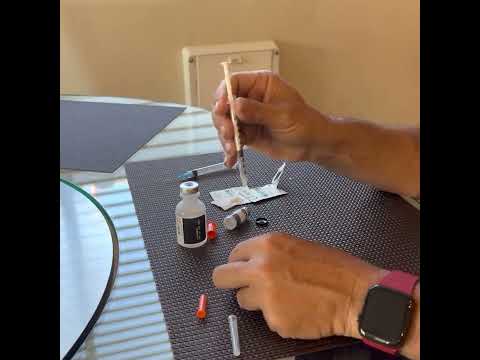
To safely incorporate wellness peptides into your daily routine, start with a low dose of a single peptide to monitor your body’s response. Always source from transparent manufacturers who provide third-party purity testing. Store your peptides in the refrigerator, away from light, to maintain stability. Use sterile water for reconstitution and inject subcutaneously after cleansing the skin. For best absorption, apply topical peptides to clean, damp skin and follow with a moisturizer. Stay consistent for 4–6 weeks before assessing results. Cycyle your usage—such as five days on, two days off—to prevent receptor desensitization and maintain efficacy.
Best practices for storage, timing, and combining with other supplements
Store lyophilized peptides in a cool, dry place away from light; refrigeration between 2–8°C is recommended, but avoid freezing reconstituted solutions as ice crystals degrade structure. Timing follows half-life: administer most peptides first thing on an empty stomach or 30 minutes before meals to maximize bioavailability. When combining supplements, separate oral peptides from amino acids or protein by at least 90 minutes to prevent competitive absorption. Strategic supplementation sequencing also requires spacing antioxidants like vitamin C one hour apart from oxidation-sensitive peptides to preserve potency.
Q: What is the critical rule for combining oral peptides with other supplements? A: Maintain a 90-minute window of separation from any protein-rich supplements or meals to avoid digestive enzymes interfering with peptide absorption.
What to watch for: initial reactions, cycling protocols, and when to adjust
Monitor initial reactions such as flushing, nausea, or injection-site irritation during the first few days; these often subside within 72 hours. Adhere to a structured cycling protocol—typically 4–6 weeks on followed by 2–4 weeks off—to prevent receptor desensitization. Adjust dosing or cycle length if side effects persist beyond one week, or if efficacy plateaus. Watch for sustained protocol tolerance as the primary trigger for modification; reducing frequency or extending off-periods can restore responsiveness. A consistent log of daily response metrics facilitates informed titration.

| Aspect | Key Indicator | Action |
|---|---|---|
| Initial reaction | Redness, headache, tiredness | Observe 72 hours; discontinue if severe |
| Cycling protocol | 4–6 weeks on / 2–4 weeks off | Stick to schedule; note efficacy window |
| When to adjust | Persistent side effects or blunted response | Reduce dose, extend off-cycle, or rotate peptides |
Common Questions First-Time Users Ask About These Therapeutic Compounds
First-timers stratelabs retatrutide often ask if wellness peptides work like steroids or require a prescription—they don’t. A common worry is whether they cause side effects like flu symptoms or injection-site reactions; most are mild and temporary. People also wonder how quickly results appear, which varies by peptide but typically takes weeks, not days. Storage confusion is frequent, since many need refrigeration.
A key insight: start with a single, low-dose peptide to gauge your body’s response before stacking anything.
New users also ask if they can skip days or combine peptides with supplements, which is best done under guidance to avoid overloading your system.
How long does it take to feel noticeable results?
For first-time users of wellness peptides, noticeable results typically emerge within **two to six weeks of consistent use**, depending on the compound and your specific goals. Energy and mental clarity often improve first, with tangible shifts in sleep quality or recovery from exercise appearing by week three. For aesthetic peptides targeting skin or muscle tone, visual differences demand closer to four to six weeks, as collagen synthesis and cellular regeneration take time. Patience with daily protocols is critical; skipping doses or switching compounds prematurely delays visible outcomes. A typical timeline follows:
- Week 1-2: Subtle changes in mood, sleep depth, or physical recovery.
- Week 3-4: Enhanced skin elasticity, reduced joint stiffness, or stable energy levels.
- Week 5-6: Noticeable improvements in muscle definition, wrinkle reduction, or hair density.
Individual factors like metabolism, dosage accuracy, and baseline health influence speed, but most users who adhere to guidelines report clear benefits within this window.
Can peptides interact with your existing diet or medications?
Yes, peptides can interact with your existing diet or medications, making it crucial to assess your routine before starting. Some peptides are known to affect glucose metabolism, meaning they might amplify or conflict with diabetic medications like insulin or metformin. Additionally, certain food rich in specific amino acids, such as high-protein meals, could alter peptide absorption if taken simultaneously. Always discuss your current prescription list with a healthcare provider to avoid unintended amplification of blood pressure drugs or anticoagulants. This proactive step ensures safe peptide integration without compromising your dietary balance or medication efficacy.